
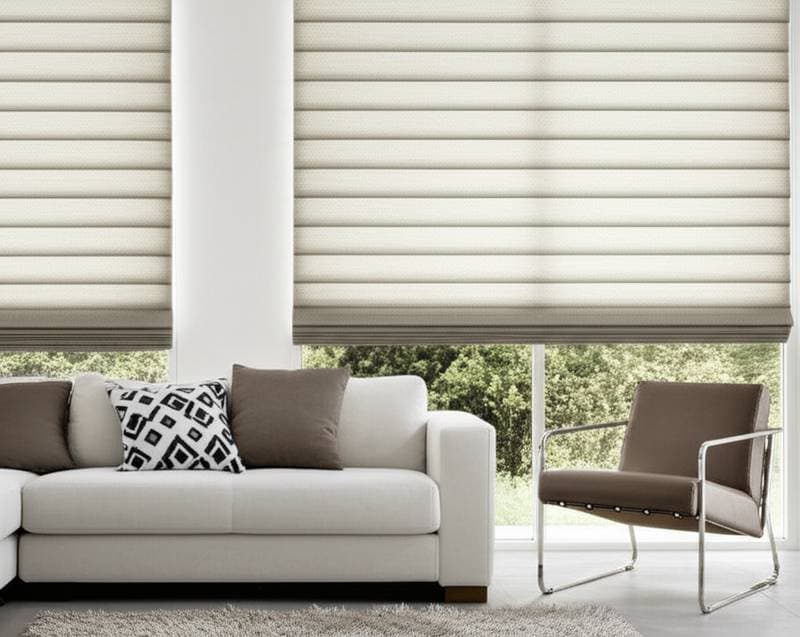
Why Motorized Roman Shades Outperform Roller Blinds in 2025
Homeowners seek window treatments that combine aesthetic refinement with functional efficiency. Motorized Roman shades deliver on both fronts by offering automated operation and a luxurious appearance. When comparing options to roller blinds, factors such as design versatility, ease of use, and light control become decisive.
This guide explains the key advantages of motorized Roman shades. Readers gain insights into their superior performance in comfort, style, and automation. One consideration remains: ensure the motor system aligns with specific window dimensions before purchase.
Understanding Motorized Roman Shades
Motorized Roman shades operate by stacking fabric into gentle, horizontal folds as they rise, creating a textured and inviting look unmatched by the flat surfaces of roller blinds. A compact motor, often hidden within the headrail, allows control via remote, smartphone app, or voice commands through compatible smart home ecosystems. Power sources vary, including plug-in options for continuous operation or rechargeable batteries for flexibility in placement.
Installation requires attention to electrical access to prevent operational issues. Adhere strictly to manufacturer guidelines for charging cycles and mounting procedures. This approach minimizes risks such as fabric bunching or electrical faults, ensuring long-term reliability.
Essential Tools and Materials
Prepare the following items for a successful installation:
- Measuring tape for accurate dimensions
- Level to ensure even alignment
- Pencil for marking positions
- Power drill equipped with appropriate driver bits
- Wall anchors and screws compatible with the mounting surface
- Remote control or smart hub for motor synchronization
If transitioning from existing roller blinds, evaluate bracket compatibility. Verify that the new shade's weight does not exceed the brackets' capacity to avoid structural failure.
Installation Guide: Step by Step
1. Measure the Window Accurately
Begin by recording the window's inside width and height to the nearest one-eighth inch. Account for slight variations in frame depth to allow smooth shade movement without binding.
2. Select Appropriate Fabric
Opt for medium-weight materials such as linen blends or cotton sateen, which fold gracefully under motor control. Steer clear of heavy upholstery fabrics unless the motor specifications confirm support for increased loads, as this prevents strain on the mechanism.
3. Determine Mounting Configuration
Choose an inside mount for a streamlined, recessed appearance or an outside mount to accommodate irregular trim. Confirm that the headrail, including the motor compartment, clears any surrounding architectural elements like crown molding.
4. Position and Secure Brackets
Use a pencil to mark bracket locations based on manufacturer templates. Drill pilot holes to prevent surface damage, then insert anchors for drywall or secure directly into wood studs. Employ a level to align the brackets precisely, guaranteeing a horizontal headrail.
5. Attach the Headrail
Insert the headrail into the brackets until it locks with an audible click. Test the connection by applying gentle downward pressure, but avoid excessive force that could deform internal components.
6. Synchronize the Motor
Consult the provided manual for pairing instructions, typically involving a button sequence on the remote or app registration. Position the remote within operational range during initial setup to facilitate immediate testing.
7. Program Travel Limits
Operate the shade through its full range to identify maximum and minimum positions. Set these limits to avoid overextension of the lift cords, which maintains uniform folds and extends motor life.
8. Evaluate Light Filtration
Cycle the shade to various heights and observe light penetration. Roman shades excel in soft diffusion, creating a balanced ambiance, in contrast to the more abrupt blocking provided by roller blinds.
9. Establish Cleaning Routine
Remove dust weekly using a soft-bristle brush or a vacuum with upholstery attachment on low suction. For stains, apply a diluted mild soap solution sparingly, then allow thorough air drying before any operation to prevent mold or fabric damage.
Best Practices and Common Pitfalls
Recommended Actions
- Charge or replace the motor battery according to the specified schedule to maintain consistent performance.
- Confirm fabric care labels prior to any cleaning method.
- Recalibrate the motor if folds appear uneven during operation.
- Store remotes and any lift cords beyond the reach of children to enhance safety.
Actions to Avoid
- Refrain from applying liquid cleaners directly onto the fabric, as this leads to water spots.
- Position shades away from heat sources like vents to prevent fabric warping.
- Cease operation and inspect if jamming occurs; realign folds manually rather than forcing movement.
- Address unusual sounds or reduced speed promptly, as these indicate potential motor maintenance needs.
Professional Assistance Scenarios
Engage a certified installer for complex installations, such as those involving large windows, curved frames, or proximity to humidity-prone areas like bathrooms. Professionals ensure secure wiring and seamless integration with systems like Alexa or Google Home. Seek expert help immediately if the shade binds during use or the motor emits persistent noise, as continued operation may invalidate the warranty.
Investment and Timeline Overview
Pricing for motorized Roman shades spans from affordable battery-powered units to high-end wired models with advanced features, influenced by fabric quality and control options. Expect installation to require one to two hours for standard setups. Custom elements, such as specialized power management or unique fabrics, may add time and cost, so plan accordingly for project scheduling.
Ongoing Care Essentials
Incorporate these habits into routine home maintenance:
- Dust surfaces weekly to prevent buildup.
- Monitor and recharge batteries every few months, or as performance indicators suggest.
- Tighten mounting screws biannually to uphold stability.
- Smooth out any persistent creases post-cleaning by gently extending the shade.
- Examine remotes and cords regularly for signs of degradation.
Should the shade operate asymmetrically or halt prematurely, attempt limit resets or battery checks before diagnosing hardware issues. This systematic approach sustains optimal function.
Enhancing Daily Comfort Through Smart Design
Integrating motorized Roman shades elevates living spaces with intuitive control and visual depth. A simple command adjusts light levels instantly, fostering serene environments. The cascading folds introduce organic texture absent in roller blinds, while silent automation streamlines routines. This combination of innovation and artistry positions motorized Roman shades as an essential upgrade for modern interiors seeking harmony between form and function.