
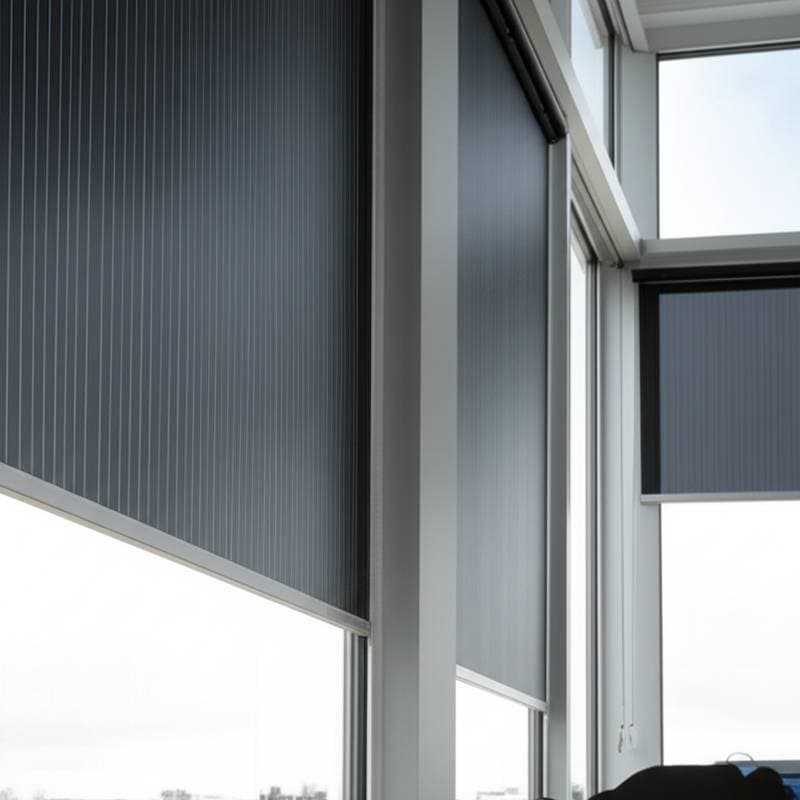
Solar Blinds That Reduce Electricity Bills
Afternoon sunlight streams through windows, raising indoor temperatures and forcing air conditioners to run longer. As evening arrives, additional lights illuminate the space, increasing energy use. Solar blinds address this pattern by integrating light management with electricity generation, transforming standard window coverings into efficient, eco-friendly assets.
The Growing Relevance of Solar Blinds
Rising energy prices and a push toward sustainable practices position solar blinds as essential home improvements. These devices regulate sunlight exposure, generate power, and integrate with automation systems that adjust based on time or temperature. Homeowners and renters benefit from their blend of efficiency, user comfort, and attractive design.
Solar blinds install directly onto existing windows, avoiding the need for permits or major modifications associated with rooftop solar panels. They suit urban apartments, suburban residences, and compact offices where space limits larger installations. This versatility ensures broad accessibility to effective, responsible living spaces.
Addressing Common Energy Losses
Windows represent a primary point of energy inefficiency in typical homes. Transparent glass admits excessive heat during daylight hours and allows warmth to escape at night. Even insulated glazing proves insufficient against prolonged direct sun exposure.
Homeowners frequently resort to multiple layers of curtains, shades, and films in search of equilibrium, but these approaches rarely resolve underlying issues. One resident described the challenge: Our living room became unbearably hot by noon. We valued the outdoor view, yet cooling expenses proved excessive. Traditional shades mitigate glare yet fail to harness incoming solar energy.
Key Design Features
- Materials: Aluminum slats coated with photovoltaic layers or fabric panels incorporating solar-conducting threads
- Finishes: Options include powder-coated white, neutral gray, or simulated wood in warm oak shades
- Control Options: Available with manual cords, remote controls, or mobile applications
- Smart Features: Integration with voice assistants and environmental sensors
- Energy Storage: Compact onboard batteries for evening applications
- Affordable Variants: Add-on solar modules that secure to conventional blinds
- Upkeep: Regular dusting and cleaning with soft microfiber materials
- Eco Attributes: Construction from recycled metals and environmentally safe finishes
SolarGlim provides customizable blinds that link to USB ports via a subtle frame-mounted unit. LumiShade emphasizes style through fabric panels mimicking natural textiles while embedding energy-capturing elements. These examples illustrate the harmony between performance and visual elegance.
Installation Process and Key Factors
The setup for solar blinds parallels that of ordinary shades, with expert assistance recommended for electrical wiring. Many users handle modest projects using everyday tools and plug-in adapters. Renters prefer models with suction cups or sticky mounts that require no permanent alterations and relocate easily.
Accurate Measurement and Placement
Measure the complete window dimensions, including width and height, for a precise fit. Account for minor gaps along the sides to route cables or batteries. For rectangular windows, select blinds approximately 1 inch (2.5 centimeters) narrower than the frame to facilitate operation. Tailored units work best for non-standard or large openings.
Electrical Setup and Connectivity
Consult a licensed electrician for systems connecting to the home electrical network. Simpler, independent units plug into standard outlets or charging points, with automatic energy management. Advanced models link wirelessly for app-based or voice-activated operation.
Effective Energy Storage Strategies
Solar blinds incorporate discreet storage to retain generated power. Integrated microbatteries supply charge for low-demand items like lights or detectors during non-sunlit periods. For broader capacity, external wall-mounted units aggregate output from several windows.
Certain configurations enable surplus energy distribution to peripherals, such as audio devices or surveillance equipment. This adaptability appeals to both permanent residents and temporary occupants. Begin with installations on select windows to evaluate performance, then scale up gradually, embodying scalable sustainability.
Perspectives from Design Professionals
Interior specialist Mia Alvarez, specializing in low-energy renovations, highlights the shift solar blinds bring to window solutions. I once depended on thick drapes for thermal regulation, she states. Now, I recommend solar blinds for their dual role in blocking heat and producing energy. Clients appreciate the merge of ease and environmental awareness.
Alvarez combines these blinds with organic textures and ambient illumination to foster serene environments. The aim involves embedding technology unobtrusively to elevate routines, she adds. Effective design operates seamlessly in support of users.
Steps to Implement Solar Blinds
Select a window receiving consistent sunlight for four or more hours daily as an initial test site. Opt for units with internal storage to observe benefits without electrical modifications. Monitor utility consumption pre- and post-installation to measure reductions.
Realizing Long-Term Benefits
Solar blinds extend beyond immediate savings to promote enduring efficiency. They minimize reliance on grid power, support renewable goals, and maintain aesthetic harmony. Over time, these installations yield compounded returns in comfort, cost control, and ecological impact, making them a worthwhile investment for modern living.