
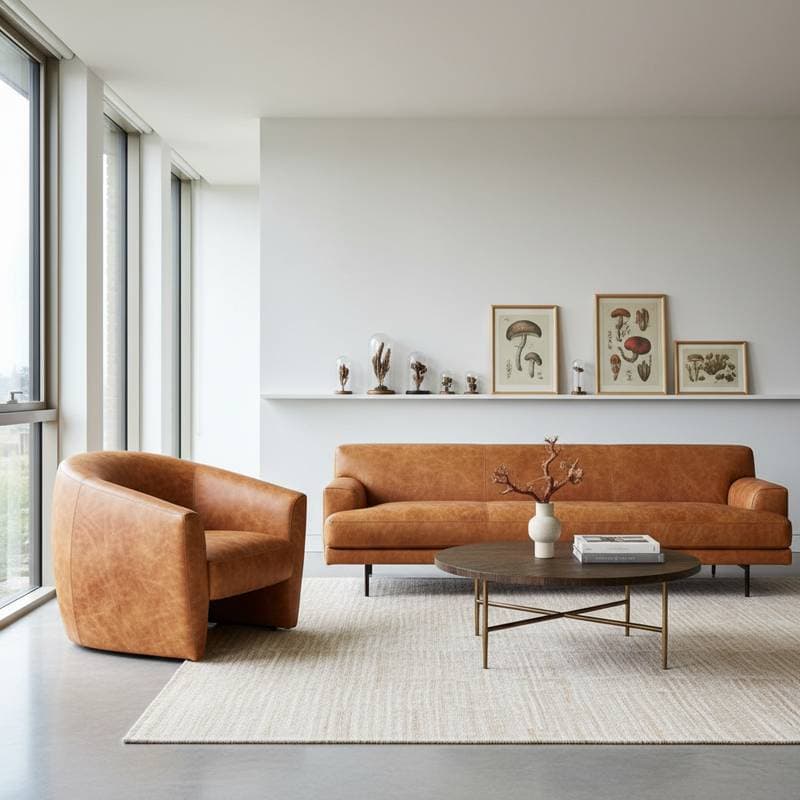
Mycelium Leather: Vegan Upholstery Enters the Mainstream
A new kind of luxury is taking root and reshaping how people think about comfort, sustainability, and style. Mycelium leather, a material grown from mushroom roots, has moved from niche experiments to polished living rooms. It feels like soft hide, looks refined, and carries none of the environmental weight of traditional leather. Homeowners seeking vegan, durable, and beautiful materials now find both conscience and comfort in this option.
Why Mushrooms Matter in Modern Design
The appeal of mycelium leather begins below the surface. Mycelium is the intricate root structure of mushrooms, a web of fibers that grows quickly on agricultural waste such as sawdust or corn husks. When cultivated under controlled conditions, it forms a dense, flexible sheet that can be treated and finished like animal leather. The result is a material that can be dyed, stitched, and stretched across furniture frames with surprising strength.
Designers and furniture makers are drawn to it because it bridges two worlds. It satisfies the tactile desire for natural texture while meeting the moral and ecological standards many consumers now demand. Unlike synthetic vegan leathers made from plastics, mycelium contains no petroleum. It can compost naturally at the end of its life, closing a loop that the furniture industry has long struggled to address.
Material Overview
- Material: Mycelium-based leather alternative
- Primary Uses: Upholstery, wall panels, soft accessories
- Texture: Smooth to lightly pebbled, depending on finishing process
- Durability: Comparable to mid-grade cowhide
- Average Cost: Similar to high-end fabric upholstery per yard
- Sustainability: Fully biodegradable and low-waste
From Lab to Living Room
Early prototypes of mushroom leather appeared in small accessories, but the material truly gained momentum when design studios began using it for upholstery. A sofa covered in mycelium leather looks indistinguishable from traditional hide. The difference comes in the details, including a lighter environmental footprint and a pleasantly breathable feel that suits both cool and warm climates.
Designer Lara Jensen of EcoForm Interiors explains, "Clients are surprised when they touch it. It looks like leather, smells neutral, and feels supple. Once they learn it is grown, not harvested, they see it as the next logical step in sustainable living."
In practice, upholstering with mycelium leather is straightforward. It cuts cleanly, resists tearing, and accepts most commercial adhesives. The surface can be embossed, perforated, or dyed in sophisticated shades like deep terracotta or ash gray. For homeowners, that means the same design freedom they would expect from animal hides but with a story they can feel proud of.
The Design Benefits
Mycelium leather performs well under daily use. It resists minor scratches, cleans easily with a damp cloth, and does not stiffen over time. For families with pets or small children, this durability matters. Because the fibers grow together naturally rather than being woven or glued, the structure remains flexible without cracking.
Lighting also plays a role in showing off its beauty. Under warm-toned bulbs, the surface glows softly, highlighting the subtle grain. In daylight, the finish reads matte and organic. Many designers pair it with natural materials such as oak, linen, and clay plaster to reinforce a grounded aesthetic.
Color options continue to expand. Neutral palettes dominate current collections, but experimental studios are testing botanical dyes that yield moss green, blush, and indigo tones. These pair beautifully with minimalist interiors or layered bohemian spaces, proving that eco-conscious design can still feel rich and expressive.
Practical Design Details
- Finishes: Smooth matte, soft pebble, or vintage patina
- Brands to Watch: Mylo by Bolt Threads, Reishi by MycoWorks, and HyphaTex
- Applications: Sofas, dining chairs, headboards, and accent panels
- Care: Wipe with mild soap and water, avoid harsh chemicals
- Storage Tips: Keep away from direct sunlight to preserve color
- Budget Alternatives: Mycelium-coated cotton blends for smaller projects like cushions
Why It Is Reaching the Mainstream
Three forces are driving the rise of mycelium leather in furniture design. First, awareness of animal welfare and climate impact has pushed consumers toward plant-based materials. Second, the aesthetic and tactile quality of mycelium rivals traditional luxury goods. Third, large furniture manufacturers are beginning to invest in scaling production, which brings down costs and increases availability.
Retailers have started offering small pieces, such as stools or ottomans, covered in mushroom-based leather. Interior designers now source it for boutique hotels and commercial lounges. The look communicates sophistication without pretense, signaling that sustainability can be both stylish and approachable.
The transition mirrors the broader shift toward circular design. Mycelium grows on waste, requires minimal water, and produces no toxic runoff. When upholstered furniture eventually reaches the end of its lifespan, the covering can return safely to the earth. That closed-loop story appeals to buyers who want their homes to reflect integrity as much as taste.
Trying It at Home
For readers curious about incorporating this material, start small. A single mycelium leather ottoman or dining chair can introduce texture and conversation value without overhauling a room. Because the tone is naturally warm, it complements a wide range of palettes, from cool grays to earthy browns.
If you are reupholstering an existing piece, ask your upholsterer about mycelium sheets by the yard. They work well with standard tools and staples, and many suppliers now offer sample swatches. A two-yard order can cover a lounge chair or create several seat cushions. Expect pricing comparable to premium vegan leather.
Renters who cannot make major furniture changes can still explore smaller applications. Try wrapping mycelium leather around a headboard panel, or use it for custom pillow covers. Because it breathes naturally, it prevents the sticky feeling that sometimes accompanies synthetic materials.
Incorporating Mycelium Leather
The best part of mycelium leather is how quietly it fits into daily life. It feels natural under your hands, holds up to wear, and tells a meaningful story about innovation meeting care for the planet. Homes evolve, and so should the materials people choose. As production scales and color options widen, mushroom leather will likely become a standard offering in upholstery catalogs.
Whether you live in a compact apartment or a family home, this material invites you to sit down and feel at peace with your choices. Mycelium leather proves that sustainability and luxury are not opposites.