
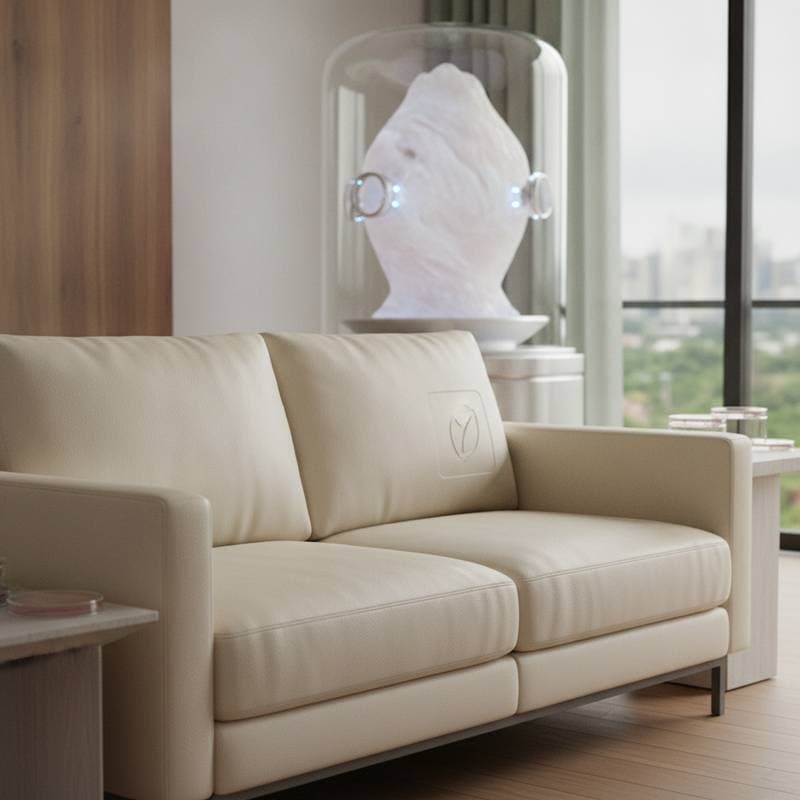
Lab-Grown Leather: The Future of Sustainable Upholstery
Furniture that aligns with environmental values requires careful material selection. Lab-grown leather provides a viable option by replicating the structure of animal hides through cellular cultivation.
Traditional leather production carries significant environmental burdens from livestock farming and chemical tanning. This article explains the production process for lab-grown leather, its distinctions from synthetic alternatives, and practical considerations for home use.
Supply constraints currently limit widespread adoption. Large-scale projects may require advance planning due to restricted availability and higher costs.
Core Production Details
Lab-grown leather forms through the cultivation of collagen cells in laboratory settings. This approach replicates the protein composition of natural hides while eliminating livestock-related emissions and land use. Production occurs under precise environmental controls that increase expenses at present. Finished materials require verification for the absence of harmful additives in any applied finishes.
Required Tools for Application
Small upholstery projects with this material call for specific equipment:
- Upholstery scissors or a rotary cutter
- A heavy-duty sewing machine equipped with leather needles
- Bonded nylon thread
- Adhesives formulated without toxic components
- Soft cloths and gentle soap solutions
- Conditioners approved for bio-based materials
Application Process
Material Assessment
Examine sheets for consistent thickness and review any specifications regarding stretch or backing layers. Uniform grain patterns simplify pattern layout during cutting.
Workspace Setup
Select a flat, clean surface free of protrusions. Shield the material from direct light to maintain surface integrity during handling.
Cutting Procedures
Mark dimensions on the reverse side using chalk. Cut with sharp tools after double-checking measurements, as material costs remain elevated per unit area.
Joining Methods
Perform test seams or adhesive trials on scraps. Fiber density variations may require adjustments to machine tension or glue selection.
Frame Attachment
Secure the material starting at one edge and progress in increments. Even tension prevents distortion. Verify that any backing withstands staple penetration.
Surface Cleaning
Remove residues with a damp cloth and mild soap. Skip solvent-based products that could degrade protective layers.
Conditioning Steps
Apply minimal amounts of suitable balm. Excess product risks surface clogging or texture changes.
Curing Period
Allow several hours for adhesives and stitches to stabilize before regular use.
Final Inspection
Verify seam alignment and tension levels. Make adjustments prior to complete setting.
Recommended Practices
Store flat sheets in controlled temperature environments. Address spills immediately with water and soap. Insert protective fabric layers between the material and metal components. Confirm heat resistance ratings before any thermal applications.
Avoid bleach or ammonia products entirely. Prevent creasing during storage. Distinguish lab-grown options from plastic-derived vegan leathers. Refrain from abrasive surface treatments.
Professional Assistance Cases
Complex shapes, tufting details, or oversized panels benefit from specialist equipment. Antique pieces or delicate frames also warrant expert handling to preserve structural integrity and warranty coverage.
Expense and Timeline Factors
Material pricing aligns with or exceeds premium natural leather depending on thickness and backing. Labor rates vary by region, with a single chair requiring one to two hours and larger seating demanding extended sessions. Sheet dimensions influence overall material yield.
Routine Care Guidelines
Weekly dusting with microfiber cloths maintains appearance. Monthly cleaning uses damp cloths with mild soap. Quarterly conditioning with bio-based formulas preserves flexibility. Monitor areas exposed to sunlight for early signs of wear.
Dull surfaces or reduced suppleness indicate the need for additional conditioning after hidden-area testing.
Distinctions From Other Materials
Collagen-based construction provides breathability absent in polyurethane versions. This quality supports comfort across humidity fluctuations and reduces risks of delamination. Recycled textile backings enhance strength in current formulations.
Production avoids livestock methane and extensive water consumption associated with traditional tanning. Energy demands during cell growth represent the primary remaining impact area, addressed through renewable sources in many facilities.
Longer service life and cleaner decomposition set this material apart from plastic alternatives that shed micro-particles.
Sourcing Considerations
Specialty suppliers and design studios carry the material in expanding color ranges, with neutrals most readily available. Smaller sheet sizes often necessitate strategic seaming on broad surfaces. Backing composition affects end-of-life processing options.
Selection Benefits for Interiors
This upholstery choice supports ethical priorities alongside tactile performance. Consistent quality and reduced resource demands position it for broader use as manufacturing capacity increases.