
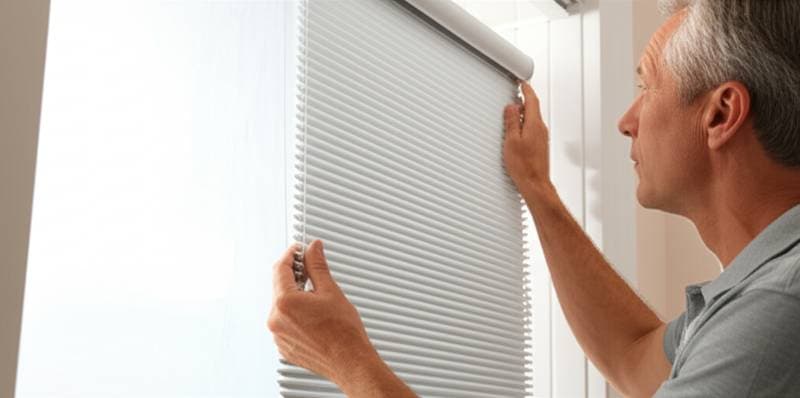
Energy-Efficient Cellular Shades: Insulate Windows and Lower Costs
Cellular shades offer an effective solution for retaining indoor warmth and reducing energy expenses. These shades feature a honeycomb design that creates air pockets to form a thermal barrier against cold drafts. By installing them properly, homeowners achieve greater comfort without excessive heating demands.
Windows often serve as significant sources of heat loss, especially in older homes with single-pane glass. Cellular shades address this issue by layering insulating cells that slow the transfer of heat to the exterior. This simple upgrade transforms drafty spaces into efficient, cozy environments.
In this guide, readers gain practical knowledge on selecting, measuring, and installing cellular shades. The process suits most standard windows and requires basic tools. Before proceeding, inspect windows for structural issues such as cracked frames or faulty seals, which must receive attention prior to shade installation.
Essential Information on Cellular Shades
Also known as honeycomb shades, cellular shades consist of pleated fabric formed into cells that trap air for insulation. These cells create a buffer between the window glass and the interior space, preventing rapid temperature drops. Select shades specifically marked as energy-efficient or insulating to ensure maximum performance.
Consider environmental factors when choosing shades. In homes prone to excess moisture, opt for breathable fabrics that allow some airflow to prevent condensation buildup. Professional certifications, such as those from window treatment specialists, confirm the shade's ability to meet insulation standards.
Required Tools and Materials
Gather these items to complete the installation efficiently:
- Tape measure for accurate dimensions
- Pencil for marking positions
- Drill equipped with appropriate bits for pilot holes
- Mounting brackets, typically provided with the shades
- Level to ensure even alignment
- Screwdriver for securing hardware
- Ladder or step stool for reaching higher windows
- Vacuum cleaner with a soft brush attachment for routine cleaning
For those preferring manual methods, a handheld screwdriver replaces the power drill without compromising results.
Detailed Installation Steps
Follow these steps to install cellular shades with precision and achieve optimal insulation.
1. Measure Window Dimensions Accurately
Take measurements at the top, middle, and bottom of the window for both width and height. Record the smallest values to ensure a proper fit for inside mounts. For outside mounts, add at least two inches to the width on each side to overlap the frame and eliminate light gaps that could allow heat escape.
Double-check measurements against the manufacturer's guidelines, as slight variations affect shade performance. Use a metal tape measure for reliability, and note any irregularities in window shape that might require custom ordering.
2. Select Appropriate Cell Size
Single-cell shades work well for smaller windows or milder climates, providing lightweight insulation without overwhelming the space. Double-cell options excel in larger openings or harsh winters, as they hold more air for enhanced thermal resistance.
Interior designer Laura Kim, a certified window treatment specialist, explains, "Double-cell fabrics provide more trapped air, which means stronger insulation." Factor in room usage; for example, bedrooms benefit from deeper cells to maintain consistent temperatures overnight.
3. Determine Mounting Type
Inside mounts recess the shade within the window frame for a streamlined appearance that preserves trim visibility. Outside mounts extend beyond the frame to cover surrounding areas, offering superior draft protection at the cost of slight visual bulk.
Choose based on aesthetic preferences and insulation priorities. In high-draft areas, outside mounts prove more effective, while inside mounts suit decorative concerns in formal rooms.
4. Mark Positions for Brackets
Position the headrail at the desired height and mark the bracket hole locations with a pencil. Employ a level across the marks to guarantee horizontal alignment, which prevents operational issues.
Drill small pilot holes at each mark to avoid splitting the frame material, particularly on wood surfaces. This preparation ensures secure attachment and smooth shade movement.
5. Secure the Brackets
Fasten each bracket using the provided screws, tightening firmly but not excessively. Test stability by applying gentle pressure; brackets must resist movement to support the shade's weight over time.
In softer materials like drywall, consider anchors for added strength. Proper securing prevents sagging, which could compromise the shade's insulating seal.
6. Attach the Shade to Brackets
Slide or snap the headrail into the brackets until it locks securely. Operate the lift mechanism—whether corded, cordless, or motorized—several times to verify unobstructed raising and lowering.
Adjust if necessary; minor bracket repositioning resolves most binding issues. This step confirms the shade deploys fully to cover the window and maximize insulation.
7. Address Potential Gaps
Examine edges for light penetration, indicating incomplete seals. Apply adhesive weatherstripping or install side channels to block these pathways and enhance energy efficiency.
For outside mounts, ensure overlaps exceed one inch on all sides. These additions prove especially useful in windy exposures where drafts persist.
8. Verify Full Functionality
Cycle the shades through multiple full extensions and retractions. Listen for unusual noises or resistance, which signal the need for bracket adjustments or lubrication on moving parts.
Conduct this test in various lighting conditions to assess coverage. A well-installed shade operates silently and seals effectively against the frame.
Best Practices and Common Pitfalls
Recommended Actions:
- Install double-cell shades in regions with prolonged cold spells for superior heat retention.
- Vacuum the fabric gently each month to remove dust without damaging the cells.
- Draw shades closed during evening hours to trap existing warmth inside.
- Raise them on clear days to capture passive solar heat from sunlight.
Actions to Avoid:
- Proceed with installation over frames showing signs of dampness or mold growth.
- Apply abrasive cleaners or excess moisture, which can weaken the fabric integrity.
- Overlook child-safety features like cordless mechanisms or tensioned lifts in households with young children.
- Disregard visible condensation, as it indicates sealing deficiencies requiring immediate correction.
Situations Requiring Professional Assistance
Certain window configurations demand expert intervention to ensure safety and effectiveness. Engage a professional for irregularly shaped windows, oversized panels exceeding standard dimensions, or installations at significant heights.
Warped frames or double-pane glass with internal fogging also warrant specialist evaluation. These conditions complicate DIY efforts and risk suboptimal insulation if mishandled.
Investment and Timeline Overview
Budget between 50 and 250 dollars per window, influenced by factors such as fabric quality, cell configuration, and advanced features like cordless operation. Basic models fall toward the lower end, while custom or motorized variants increase costs.
Most installations require 20 to 40 minutes per window, assuming standard tools and straightforward access. Complex setups may extend this timeframe, but the effort yields immediate returns through reduced utility payments.
Ongoing Care for Longevity
Maintain cellular shades through regular, gentle cleaning to preserve their insulating properties. Use a vacuum's soft brush attachment monthly to dislodge surface dust and allergens.
For stubborn spots, apply a mild soap solution with a damp cloth, then air-dry completely to avoid fabric shrinkage. Examine lift cords or tension systems biannually for wear, and replace any compromised mounting hardware without delay.
Store shades fully raised during extended warm periods to prevent unnecessary stress on mechanisms. This routine extends the lifespan, ensuring consistent performance year after year.
Achieve Lasting Comfort and Savings
Implementing energy-efficient cellular shades represents a straightforward path to improved home insulation. These shades deliver reliable heat retention, fostering a more comfortable living space while curbing energy consumption. With proper selection and upkeep, they provide enduring benefits tailored to everyday needs.