
Why Gen Z Embraces Grandmillennial Design
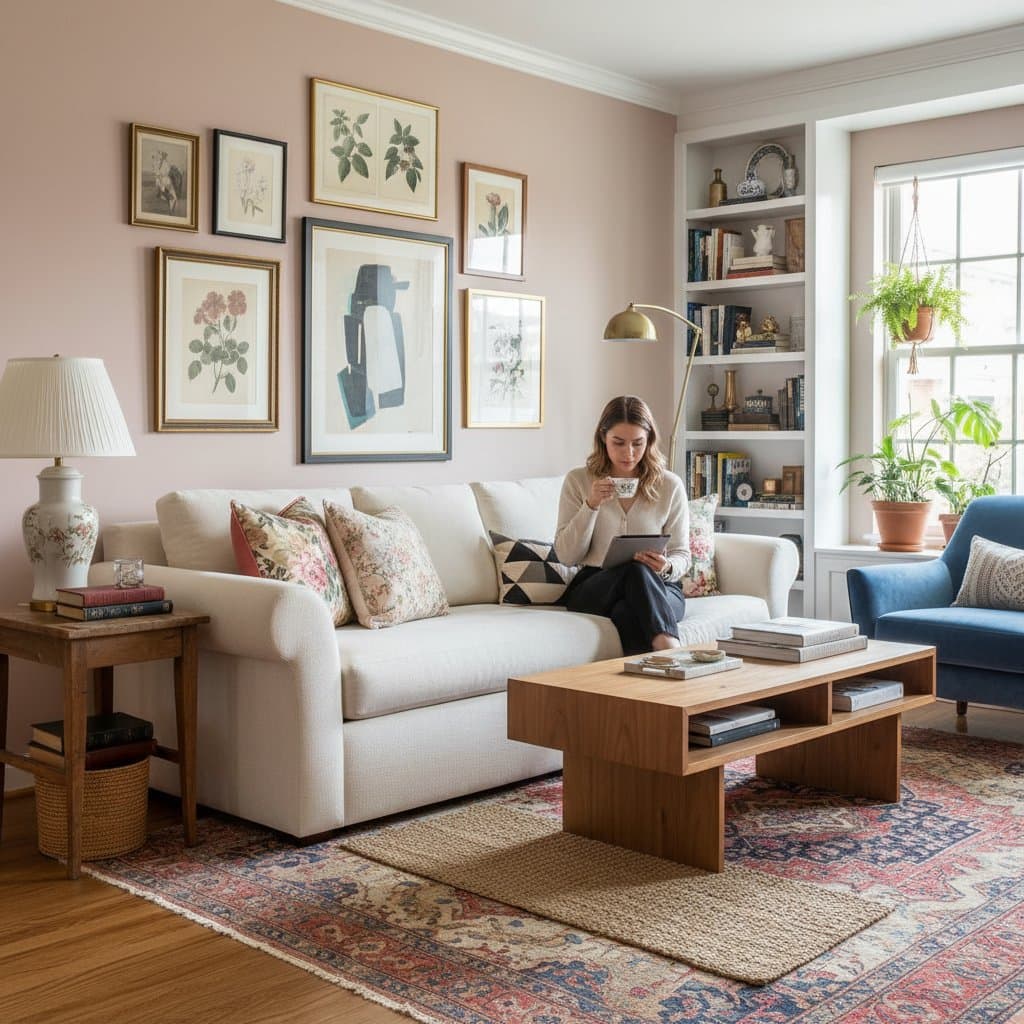
Gen Z homeowners and renters increasingly adopt a style reminiscent of their grandparents' homes. Floral prints, textured fabrics, and vintage accents reemerge in social media posts, design publications, and everyday interiors. Dubbed grandmillennial style, this trend layers classic elements with modern restraint, reflecting a quest for genuine, sustainable, and comforting environments.
Defining Grandmillennial Style
Grandmillennial design integrates timeless motifs like chintz florals and pleated shades with scaled-back proportions for today's spaces. A tufted armchair pairs with minimalist shelving, while embroidered linens drape over sleek surfaces. This fusion yields romantic yet functional rooms that honor skilled workmanship alongside personal flair.
Designer Lily Tran observes, "Grandmillennial design appeals through its straightforwardness. It avoids stark minimalism, focusing instead on layered, intimate settings." Such qualities align with Gen Z's preference for unique, soulful alternatives to uniform production.
The Return of Nostalgic Comfort
Raised amid neutral palettes and sparse setups, many in Gen Z seek relief in abundant patterns and hues. Grandmillennial rooms foster sanctuary-like warmth, shifting from display to daily refuge. Elements like gingham curtains or brass hardware evoke familial memories, grounding digital-era lives in tangible heritage.
In turbulent times, these details provide stability. A quilted throw or etched glassware links past and present, embedding narratives into neutral backdrops. This storytelling aspect transforms apartments into extensions of identity.
Sustainability Through Reuse
Gen Z favors grandmillennial aesthetics for their alignment with eco-conscious practices. Thrifting and restoring items diverts waste while embracing durable construction. An oak console from a flea market outperforms disposable options in longevity and cost.
Heirlooms find renewed purpose, such as a polished silver tray on a entry console. These choices minimize environmental impact and infuse spaces with significance, promoting deliberate acquisition over impulse buys.
Harmonizing Old and New
Success in grandmillennial design hinges on balanced integration. Avoid historical replication; instead, curate classics for fluid living. Focus on editing to maintain equilibrium.
Effective techniques include:
- Pairing bold motifs with subdued solids to prevent excess.
- Updating hues to softer tones like muted teal or ivory.
- Adding contemporary fixtures, such as adjustable sconces over antique vanities.
- Anchoring with plain surfaces to highlight accents.
Designer Mateo Lopez states, "Intentionality defines grandmillennial success. Each detail serves warmth without disarray."
Essential Elements of the Style
-
Layered Patterns
Combine motifs like checks and blooms via shared palettes. A checkered rug under floral seating creates cohesion without confusion. -
Covered Furniture
Slipcovers in breathable fabrics conceal wear and enable seasonal shifts. They suit transient lifestyles, offering easy maintenance. -
Vintage Anchors
One heirloom, such as a beveled mirror, imparts depth when offset by streamlined pieces. -
Rich Fabrics
Seek out linen ticking or crewel work from ethical sources to enhance sensory appeal. -
Inviting Hues
Soft lavenders and taupes pair with accents like terracotta, promoting relaxation in textured seating.
Social Media's Influence
TikTok and Instagram democratize grandmillennial trends through user-shared projects. Videos of upcycled dressers or patterned reveals inspire broad participation. Related tags like "maximalist cozy" promote flexible adaptation over rigid formulas.
Content emphasizes accessibility: a renter's guide to affordable wallpaper or sourced vases shows tradition within reach. This communal exchange values trial and authenticity.
Adapting to Compact Areas
Urban Gen Z often navigates limited square footage, yet grandmillennial thrives via selective application. Focal accents like a ruffled valence or herb prints deliver impact sparingly.
Targeted approaches:
- Limit patterns to accents, such as drawer liners.
- Select multifunctional items, like a lidded bench for seating and storage.
- Build texture with folded blankets on existing frames.
- Layer illumination from floor models to clips for versatile glow.
Contrasts elevate efficiency: vintage hardware on modular units adds character without bulk.
Achieving the Aesthetic Affordably
Build gradually with resourceful methods. Prioritize versatile foundations that evolve.
Cost-effective strategies:
- Scout markets for fixtures like ironstone pitchers.
- Reupholster basics with remnant fabrics and basic tools.
- Apply fresh coats to salvage pieces in aligned shades.
- Invest selectively, pairing premium textiles with budget frames.
Designer Alisha Moore recommends, "Curate progressively. Authentic homes narrate lives, not trends."
Crafting Personal Narratives
Grandmillennial style transcends visuals, forging bonds through evocative items. A lace doily recalls shared meals; a woven basket holds mementos. These infuse continuity and distinction.
Variations abound: blend Georgian symmetry with bohemian edges for bespoke results. Craftsmanship elevates via artisanal additions like stitched motifs, countering uniformity with deliberate touch.
Functionality in Tradition
Practicality ensures viability. Incorporate concealed storage in period-inspired units to manage clutter. Varied lighting supports tasks, from focused desk beams to diffused pendants.
This synergy sustains the aesthetic amid routines, blending heritage utility with current needs.
Incorporating Grandmillennial Touches
Begin by selecting resonant elements, such as a favored motif or relic. Integrate incrementally to gauge harmony.
Initial actions:
- Place a single antique in a key spot per area.
- Introduce prints via portable goods like rugs.
- Offset details with sparse modern forms.
- Refine regularly for balanced density.
Evolution through choices builds narrative depth.
Benefits of Intentional Spaces
Grandmillennial environments cultivate mindfulness. Meaningful surroundings prompt reflection amid routines. Sipping from etched glassware heightens simple joys; ambient shades enhance repose.
This philosophy values patina and variety, nurturing appreciation for evolving homes that support well-being.