
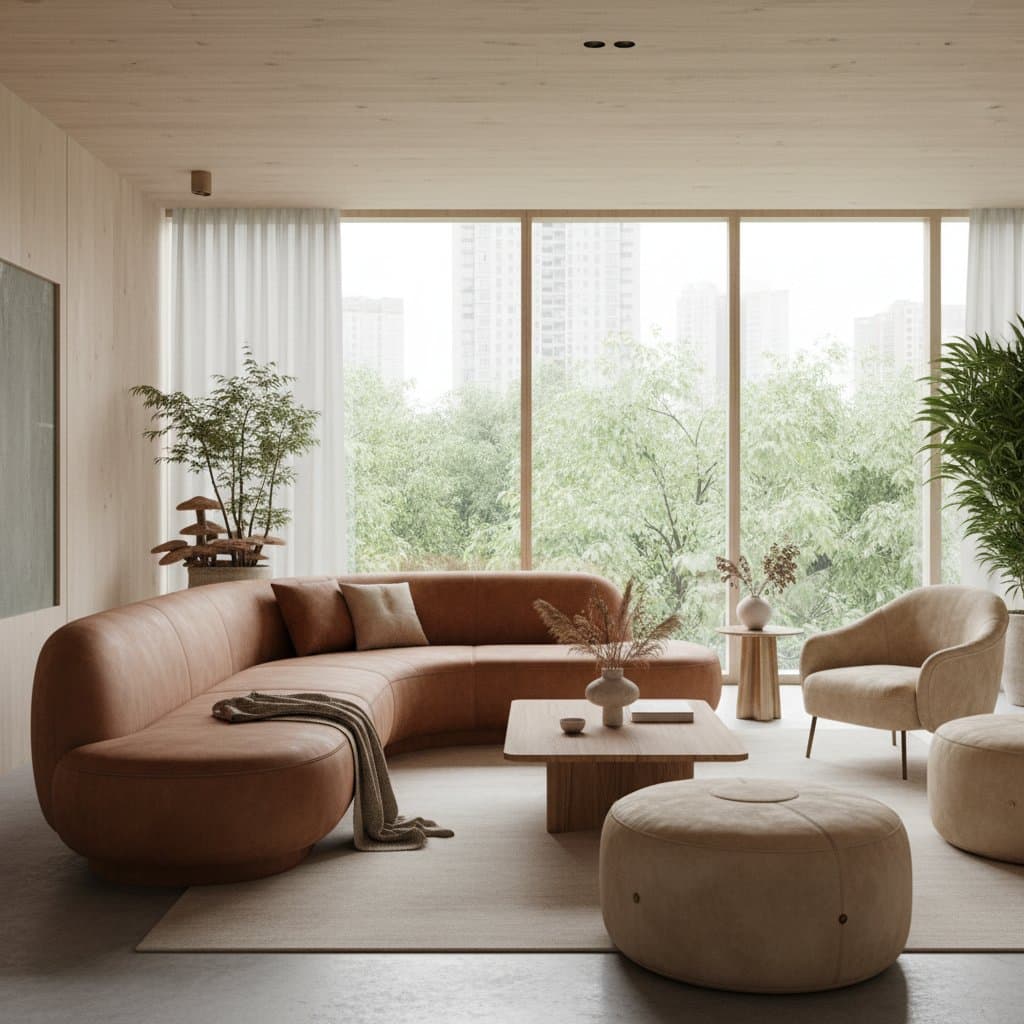
Mushroom Leather Redefines Luxury Upholstery in 2026
Luxury evolves toward subtlety, wisdom, and harmony with the natural world. Mycelium leather, known also as mushroom leather, reshapes refined living through its unique properties. This material, once confined to research facilities, now adorns premium sofas, dining chairs, and vehicle interiors. The transformation extends beyond appearance to embody ethical principles, linking aesthetic appeal with environmental stewardship while preserving superior comfort and artisanal quality.
From Underground Networks to Everyday Comfort
Mycelium forms the underground root system of mushrooms and develops into strong, pliable sheets that replicate the qualities of animal hides. Cultivated in regulated environments, it yields a soft surface comparable to fine calfskin in touch and flexibility. Unlike traditional leather from livestock or synthetic options derived from petroleum, mycelium leather emerges from stacked trays fed with byproducts such as sawdust or corn husks. The growth cycle completes in weeks, demanding minimal water compared to the intensive resources of animal agriculture.
Professionals in design praise its smooth, breathable quality. The material accepts cutting and sewing techniques familiar to leatherworkers, yet it offers a natural matte sheen that conveys modernity and authenticity. Natural dyes allow for vibrant colors including warm chestnut, subtle moss green, or intense oxblood red. These tones complement elements like polished brass hardware, light oak structures, or legs crafted from reclaimed steel, creating furnishings that balance inviting warmth with elegant restraint.
To produce mycelium leather, companies employ sterile chambers where fungal networks expand on nutrient-rich substrates. After growth, the sheets undergo pressing and tanning with vegetable extracts to enhance strength and flexibility. This process avoids chrome salts and heavy metals, resulting in a product free from harmful chemicals. The final sheets measure up to two meters wide, suitable for large-scale upholstery without seams in key areas.
Why Designers Choose Mycelium Leather
The design sector seeks materials that deliver functionality alongside moral alignment. Mycelium leather fulfills this demand through its resilience against wear, ability to maintain form, and capacity to age gracefully with a soft patina. Upholsterers appreciate its consistent response to stretching, which reduces manufacturing defects and extends the lifespan of finished pieces.
Prominent furniture makers introduce full lines featuring mycelium leather. Sofas boast plush cushions encased in panels of gentle tan, showcasing the material's inherent texture variations. Accent chairs emphasize these natural patterns, adding visual interest to minimalist spaces. In upscale hotels, headboards and footstools acquire a sensory depth free from the drawbacks of animal products. Automotive specialists integrate it into cabin designs, providing a premium feel that supports corporate sustainability initiatives.
Beyond furniture, mycelium leather appears in accessories like handbags and watch straps, broadening its appeal. Collaborations between biotech firms and luxury houses accelerate adoption, with prototypes displayed at design fairs highlighting its versatility. For instance, a recent collection paired mycelium panels with woven rattan frames for outdoor seating that withstands weather without synthetic coatings.
Key Design Specifications
- Finish Options: Varieties from producers such as Mylo or Reishi receive treatments with plant-derived waxes to boost resistance to scratches and moisture.
- Core Construction: Pair with high-density foam cores and layers of recycled cotton for supportive, eco-friendly padding.
- Color Selection: Draw from natural earth tones, accented by deeper jewel shades like emerald or sapphire for dramatic effect.
- Care Instructions: Clean surfaces with a soft, damp cloth; steer clear of abrasive cleaners; apply a natural conditioner annually to preserve suppleness.
- Cost Considerations: Prices align with standard leathers at 80 to 100 euros per square meter, varying by processing level and material depth.
For budget-conscious buyers, consider targeted applications like reupholstering a single ottoman, refreshing dining chair seats, or crafting custom throw pillows. Local ateliers often offer offcuts ideal for personal customization projects, allowing experimentation without full commitment.
Integrating Mycelium Leather into Your Home
Furnishings crafted with mycelium leather elevate daily life through their ethical foundation. Owners take satisfaction in selections that bypass animal exploitation and plastic derivatives, all while delivering tangible luxury and durability. The fabric mellows subtly through regular interaction, gaining personality without signs of deterioration.
In a modest apartment setting, an armchair upholstered in mycelium leather serves as the focal point of a cozy reading area. Its faint earthy aroma and plush hand encourage extended relaxation, perhaps with a warm beverage in hand. The piece endures routine handling, exposure to light, and light pet activity without compromise.
Regardless of living arrangement, from urban studios to spacious family residences, mycelium leather infuses spaces with purpose. It demonstrates that opulence and accountability enhance one another. This material underscores a forward-looking approach to interiors, where visual harmony meets intentional creation for enduring satisfaction.