
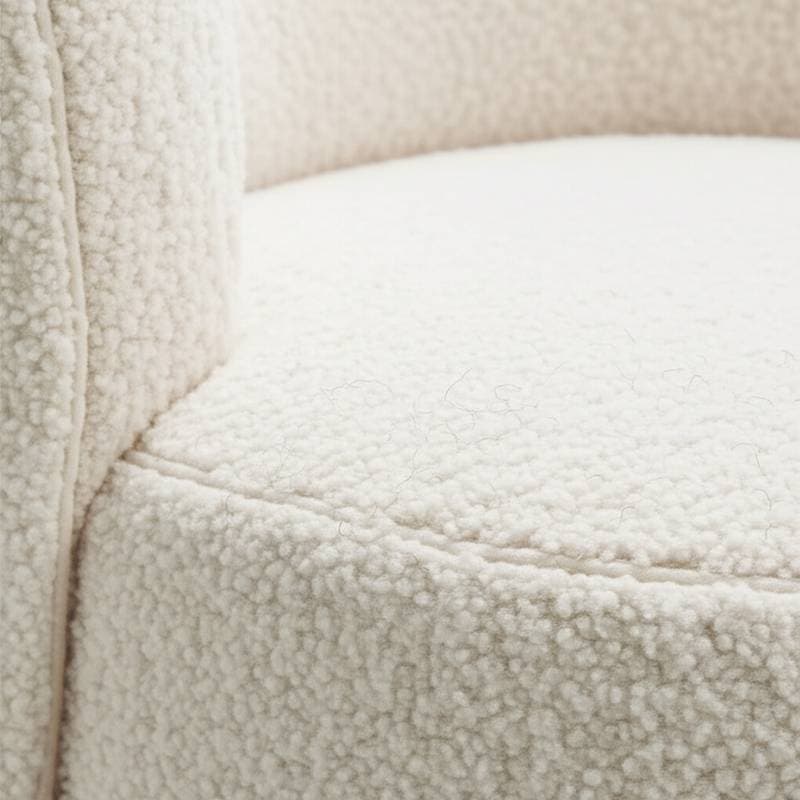
Understanding Bouclé and Its Challenges with Pets
Bouclé fabric features a distinctive looped texture that adds warmth and depth to furniture. This same structure, however, creates numerous crevices where pet hair, dander, and debris accumulate. For households with shedding animals, regular maintenance becomes essential to preserve the fabric's appearance and integrity.
The trend's popularity stems from its ability to soften modern designs and enhance neutral palettes. Designers appreciate how the uneven loops provide visual interest without overwhelming a space. Yet, pet owners often discover that the fabric's charm comes at the cost of increased cleaning demands.
The Science Behind Pet Hair Adhesion in Bouclé
Pet hair clings to surfaces through static electricity and physical entanglement. In bouclé, the looped yarns offer multiple anchor points, making removal more difficult than on smooth fabrics like microfiber or leather. Short, fine hairs from cats and dogs slip into these loops, while longer strands wrap around them, forming stubborn tufts.
Dander and odor particles exacerbate the issue. The fabric's airy structure traps microscopic skin flakes and scent molecules, potentially aggravating allergies. Vacuuming provides partial relief, but deeper cleaning requires targeted methods to avoid damaging the delicate weave.
Essential Tools for Bouclé Maintenance
Effective care begins with the right equipment. Select an upholstery vacuum attachment for gentle suction. A lint roller or rubber glove aids in surface-level hair removal, while microfiber cloths handle spot cleaning.
Prepare a mild solution using one teaspoon of upholstery detergent in a cup of lukewarm water. A spray bottle with equal parts water and white vinegar neutralizes odors. For protection, choose a fabric spray compatible with looped textiles, always testing it first on an inconspicuous area.
Step-by-Step Cleaning Guide
1. Prepare the Surface
Vacuum the fabric using an upholstery attachment. Pass the tool slowly in multiple directions to dislodge surface hair. For cushions or crevices, switch to a handheld vacuum to reach confined spaces.
2. Remove Loose Hair
Wear a slightly damp rubber glove and glide it across the surface. The moisture creates friction that lifts embedded hairs without soaking the fabric. Rinse the glove periodically to maintain effectiveness.
3. Extract Stubborn Debris
Employ tweezers to pluck hairs from deep loops. Proceed with care to prevent snagging threads. Concentrate on seams and edges, common sites for accumulation.
4. Address Stains
Dampen a microfiber cloth with the detergent solution and blot the affected area. Avoid rubbing, which can distort the loops. Rinse with a clean, damp cloth and pat dry.
5. Eliminate Odors
Lightly mist the fabric with the vinegar-water mixture. Allow it to air dry completely, as excess moisture can weaken fibers. This step neutralizes pet smells effectively.
6. Restore Texture
Once dry, brush the surface with a soft-bristle upholstery tool. Use circular motions to revive the loops and prevent matting. This maintains the fabric's signature bumpiness.
7. Apply Protection
Spray a fabric protector evenly over the surface. Reapply every few months or after deep cleans to create a barrier against future buildup. Test compatibility to ensure no discoloration occurs.
8. Establish a Routine
Perform weekly vacuuming for moderate pet activity. Daily quick passes with a lint roller prevent escalation. Rotate cushions monthly to distribute wear evenly.
Key Dos and Don’ts for Bouclé Care
Dos
- Vacuum regularly to minimize hair embedding.
- Employ gentle tools such as soft brushes and microfiber cloths.
- Blot stains to preserve loop structure.
- Test all products on hidden areas.
- Brush post-cleaning to refresh texture.
Don’ts
- Avoid steam cleaners, which can shrink or distort fibers.
- Refrain from scrubbing or tugging at loops to prevent snags.
- Steer clear of bleach, alcohol, or solvents that fade color.
- Do not delay treatment of spills, as they warp the weave.
- Question claims of pet-proof bouclé without verifying cleaning codes.
Professional Cleaning Considerations
Opt for experts when facing extensive stains, persistent odors, or structural damage. Professionals utilize low-moisture extraction and specialized detergents tailored for textured fabrics. This approach safeguards the loops while achieving thorough results.
Seek professional service for fixed upholstery or items under warranty, as DIY methods might void coverage. Costs typically range from $100 to $300, influenced by furniture size and condition. Routine professional cleans every six to twelve months extend the piece's lifespan.
Cost and Time Overview
Basic supplies cost $10 to $40, with fabric protectors adding $10 to $25. Time for routine sessions spans 15 to 30 minutes per item, while deeper treatments require 45 minutes to an hour.
Factors affecting expense include the extent of soiling and fabric type. Larger pieces demand more effort, but consistent upkeep reduces the need for intensive interventions.
Pet-Friendly Alternatives to Bouclé
Achieve similar texture with less hassle through blended fabrics featuring synthetic loops that release hair more readily. Shorter-loop weaves provide visual depth without deep traps.
Consider removable slipcovers in bouclé style for machine washing convenience. Opt for mid-tone colors that camouflage fur better than stark shades.
As interior stylist June Carter of HomeEase Interiors notes, “Texture enhances comfort, but practicality matters in pet households. Reserve bouclé for accents like chairs, away from primary lounging areas.”
Long-Term Strategies for Bouclé Longevity
Prevention proves more effective than cure. Drape washable throws over high-contact zones. Trim pet nails regularly to minimize snags.
Position furniture away from direct sunlight to avert fiber degradation. Store tools accessibly for prompt touch-ups. For pilling, use a fabric shaver on low speed, testing first.
Ideal Placement for Bouclé in Pet Homes
Position bouclé on low-traffic items such as dining benches or headboards. Accent pillows offer the aesthetic in controlled doses, with easy cover replacements.
Avoid main sofas or pet resting spots. This placement balances style with functionality, ensuring the fabric endures daily life.
Ongoing Maintenance Routine
Weekly Tasks
- Vacuum or use a lint roller to clear surface hair.
Monthly Tasks
- Spot clean and brush to maintain vibrancy.
Seasonal Tasks
- Reapply protector and rotate components.
Monitor for signs like resistant hair, matting, odors, or discoloration, prompting immediate action.
Expert Advice for Harmonious Living
Approach cleaning with patience, as force compromises the loops. Maintain balanced humidity to avoid odor retention. Integrate smooth fabrics nearby to offset shedding visibility.
With diligent care, bouclé coexists with pets, serving as a stylish focal point. Treat it as an accent rather than a workhorse, layering protections to sustain its appeal over time.