
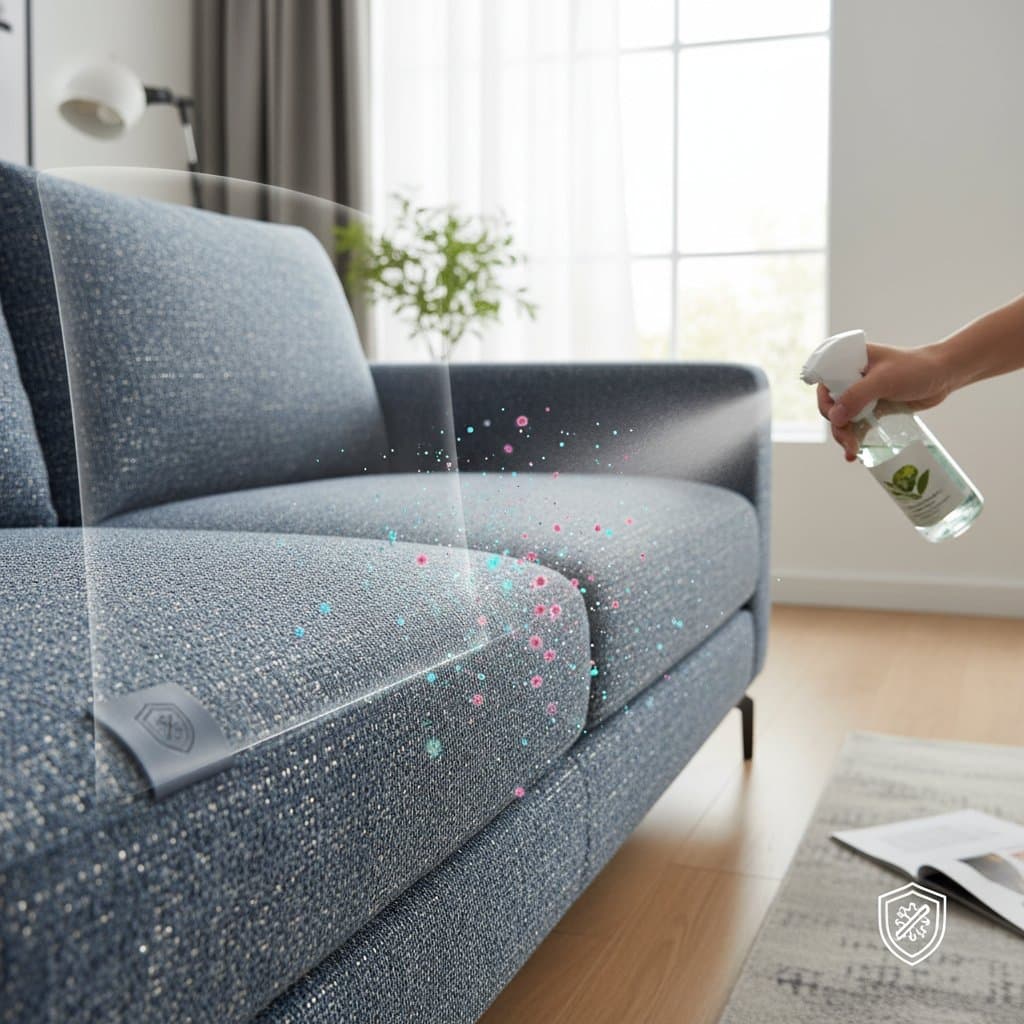
Why Antimicrobial Upholstery Keeps Homes Healthy
Furniture serves as a daily hub for family activities, yet it often harbors invisible threats like bacteria and moisture. Antimicrobial upholstery addresses this by incorporating treatments that inhibit microbial growth, ensuring surfaces remain fresher and safer over time.
The challenge lies in how soft furnishings capture germs, odors, and humidity, potentially impacting air quality and well-being. In this guide, you will discover the mechanics of antimicrobial fabrics, effective cleaning techniques, and selection criteria to integrate them into your living spaces.
Keep in mind that antimicrobial properties vary by product. Certain treatments degrade with wear or prove incompatible with specific fibers, so evaluate options carefully.
Essential Knowledge on Antimicrobial Fabrics
Antimicrobial upholstery involves fabrics engineered or treated with substances that hinder the proliferation of bacteria, mold, and mildew. These materials complement regular cleaning by preserving surface freshness during intervals between thorough washes. Compatibility remains crucial, as some treatments adhere better to synthetics than to natural fibers like cotton. Consult manufacturer instructions prior to using any cleaning agents or disinfectants to avoid compromising the protective layer.
Required Tools and Materials
Prepare the following items for effective maintenance:
- Mild dish soap or a dedicated upholstery cleaner
- Microfiber cloths for gentle application
- Soft brush or vacuum equipped with an upholstery attachment
- Distilled water to minimize residue
- White vinegar for odor neutralization, if compatible with the fabric
- Spray bottle for even distribution
- Clean towels for absorbing excess moisture
For water-sensitive materials, opt for dry foam cleaners to prevent saturation.
Step-by-Step Cleaning Guide
1. Review the Care Label
Locate the fabric tag on your upholstery, which uses codes such as W for water-based cleaning or S for solvent-based methods. These indicators guide safe practices, as antimicrobial treatments may interact adversely with strong chemicals.
2. Vacuum Surfaces Thoroughly
Employ a brush attachment to remove dust, particles, and debris, focusing on seams and folds where microbes accumulate. This initial step eliminates contaminants that retain moisture and promote bacterial activity.
3. Prepare the Cleaning Solution
For water-compatible fabrics, mix one teaspoon of mild dish soap with two cups of warm distilled water, stirring to form gentle suds. Apply a spot test in an inconspicuous area to confirm no discoloration or damage occurs.
4. Perform Spot Cleaning
Submerge a cloth in the suds alone, avoiding excess liquid, and blot stains gently to prevent fiber abrasion or contaminant spread. To address odors, dilute white vinegar at a one-to-three ratio with water and mist lightly, allowing complete air drying.
5. Rinse and Absorb Moisture
Dampen a cloth with plain distilled water to wipe away soap remnants, which could otherwise attract dirt or diminish luster. Follow with blotting using a dry towel to extract lingering dampness.
6. Ensure Full Drying
Promote air circulation around the fabric to facilitate natural drying, steering clear of direct heat sources that might degrade antimicrobial agents or distort synthetic materials. A portable fan aids this process without risk.
7. Apply Disinfectant Judiciously
Antimicrobial upholstery typically requires minimal additional disinfection, yet during periods of illness or intense use, select a product formulated for fabrics. Steer clear of chlorine or alcohol unless explicitly approved by the manufacturer.
8. Apply Protective Treatments
Many antimicrobial fabrics include inherent stain resistance, but for others, introduce a fabric guard after thorough drying. This step bolsters defense against soil accumulation and sustains microbial inhibition.
9. Establish Routine Maintenance
Incorporate weekly vacuuming and inspections of frequently touched areas, addressing spills promptly. Consistent attention prevents microbial establishment, even on protected surfaces.
Key Dos and Don’ts
Recommended Practices
- Test cleaning solutions on hidden areas to verify compatibility.
- Employ distilled water to avoid mineral deposits.
- Blot spills immediately to curb bacterial proliferation.
- Maintain consistent ventilation to deter moisture accumulation.
- Adhere to manufacturer specifications for preserving antimicrobial integrity.
Practices to Avoid
- Refrain from bleach or ammonia applications without label approval.
- Prevent over-wetting, which harms backing materials or seams.
- Avoid vigorous scrubbing that erodes treatments or fibers.
- Do not encase damp cushions, as enclosed humidity undermines protections.
- Steer clear of combining vinegar with chemical agents, risking efficacy loss or harmful vapors.
Indicators for Professional Assistance
Persistent deep-set stains, water damage marks, or recurring musty scents signal the need for expert intervention. Professionals excel with delicate or vintage pieces, employing specialized extraction systems to eradicate embedded bacteria and excess moisture beyond home capabilities.
Cost and Time Estimates
Cost Breakdown
- DIY essentials like soap, vinegar, and towels: $0 to $15.
- Specialty sprays for protection or disinfection: $10 to $25 per unit.
- Professional services: $100 to $250 for a standard sofa, varying by material condition and size.
Time Requirements
- Routine sessions: 30 to 60 minutes.
- Comprehensive treatments including drying: 3 to 6 hours.
Factors influencing expenses encompass fabric composition, coverage area, and potential recoating needs.
The Importance of Antimicrobial Upholstery
Daily exposure to skin oils, food residues, and ambient humidity fosters bacterial habitats within fabrics. Antimicrobial treatments disrupt this process by targeting microbial structures, such as cell walls, to limit reproduction.
Textile scientist Dr. Lila Gomez of CleanFiber Labs explains, Antimicrobial finishes slow microbial growth, which means fewer odors and less risk of cross-contamination between surfaces. She notes that these enhancements also prolong fabric longevity by mitigating degradation from biological agents.
Beyond sanitation, such upholstery reduces the frequency of intensive cleanings and slows overall deterioration. Colors retain vibrancy, and resistance to damp smells improves, particularly in moisture-prone environments.
Prevalent Antimicrobial Treatment Methods
- Silver-Based Agents: These ions disrupt bacterial processes, offering durability at a premium price point.
- Copper-Integrated Fibers: Effective against cell membranes, ideal for high-touch elements like armrests.
- Quaternary Ammonium Compounds: Surface-applied for immediate bacterial elimination, though reapplication may be necessary.
- Chitosan Applications: Sourced from natural polymers, these form barriers against microbes and decompose environmentally, albeit with reduced resilience in demanding scenarios.
Synthetics like polyester and acrylic typically retain treatments superior to moisture-absorbent naturals such as cotton or linen.
Ideal Applications for Antimicrobial Upholstery
Prioritize these fabrics in communal or busy areas to maximize benefits.
Consider implementation in:
- Living room sofas and sectionals
- Dining area chairs and benches
- Office seating
- Nursery rockers and play furniture
- Guest accommodations or short-term rentals
For exterior pieces, select variants that also withstand UV exposure alongside microbial resistance to combat weather-induced mold.
Constraints and Safety Considerations
These fabrics demand ongoing cleaning to remove visible soils and oils, as treatments merely slow growth rather than eradicate existing contaminants. Effectiveness may wane with abrasion over time.
Individuals with sensitivities should scrutinize ingredient lists for potential irritants like quaternary compounds or metallic elements. Opt for hypoallergenic certifications to ensure low-emission profiles.
Eschew acidic or highly basic cleaners, which may deactivate protections or alter hues. Neutral pH formulations provide the safest approach, confirmed through preliminary tests.
Ongoing Maintenance Schedule
- Weekly Routine: Vacuum thoroughly and check for immediate concerns.
- Monthly Tasks: Address spots and refresh odors as required.
- Semiannual Deep Care: Conduct full cleanings or reapply guards.
- Renewal Triggers: Renew treatments upon detecting diminished odor control, persistent stains, or unusual static.
Regulate indoor humidity levels to limit water retention, utilizing dehumidifiers or ventilation during upkeep for expedited drying.
Expert Strategies for Optimal Results
Emphasize proactive, light maintenance over reactive deep cleans to sustain treatment potency. Evenly rotate cushions to balance usage. For detachable covers, launder on delicate settings with neutral detergents, omitting softeners that could impede antimicrobial performance.
Shield sun-exposed pieces with drapes during intense light periods, as ultraviolet rays accelerate finish breakdown. When purchasing, inquire about treatment integration—some embed protections permanently within fibers, while topical versions require upkeep.
Implementing Effective Home Hygiene
Integrating antimicrobial upholstery with disciplined care routines and adequate ventilation elevates daily living standards. Select fabrics suited to your lifestyle for sustained cleanliness and comfort in high-use zones.