
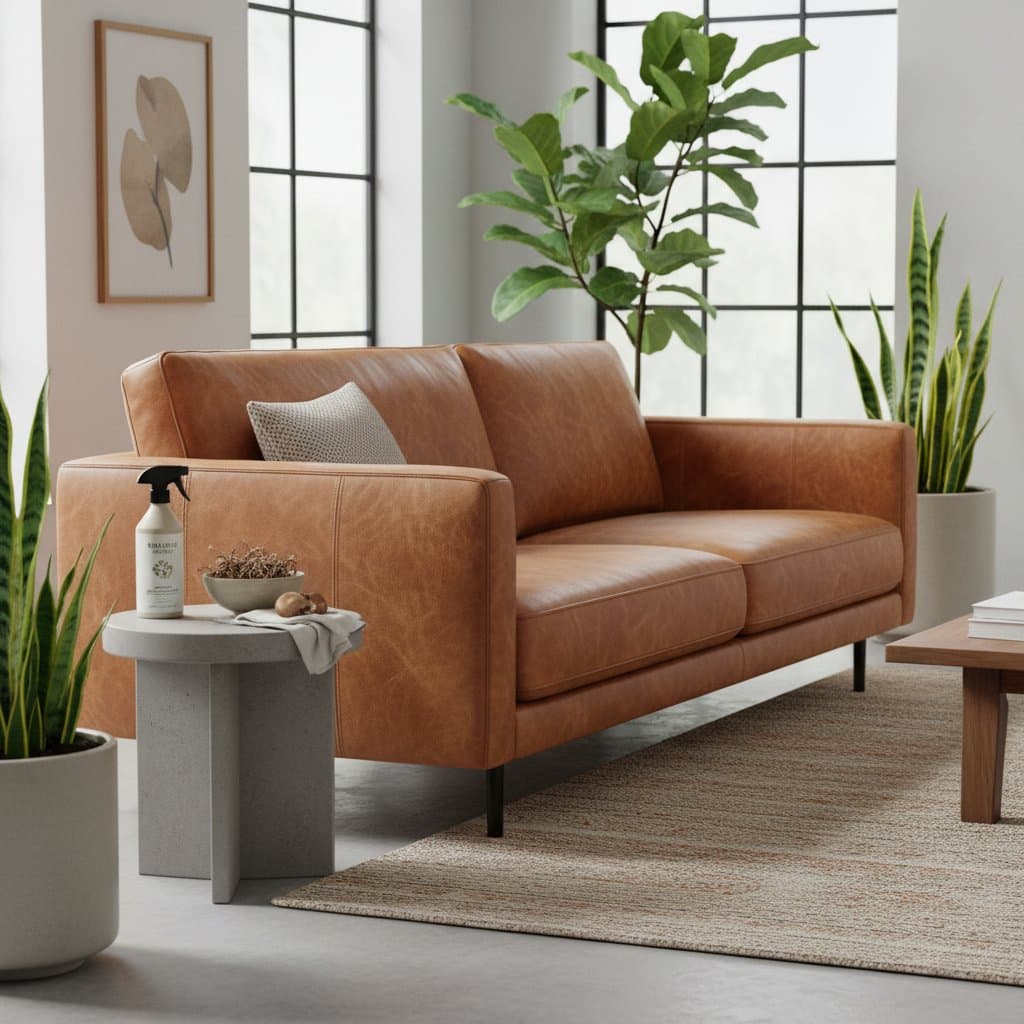
Mushroom Leather: Vegan Upholstery Set to Dominate 2025
Mushroom leather reshapes perspectives on home materials. It delivers the tactile appeal of traditional leather, aligns with plant-based ethics, and withstands everyday demands.
Traditional animal leather faces declining popularity as consumers seek options that combine aesthetics, longevity, and reduced environmental impact. This guide explores mushroom leather's composition, upholstery performance, and maintenance essentials. Note that product quality differs among producers; verify manufacturing certifications prior to purchase.
Understanding Mushroom Leather
Mushroom leather, also known as mycelium leather, derives from the fungal root network called mycelium. Producers cultivate it on organic substrates like agricultural waste, then process it through compression, tanning, and finishing to replicate animal hide textures. Free of animal components, untreated versions biodegrade naturally. Protect it from excessive moisture, which may compromise plant-based protective layers over time.
Essential Tools and Materials
Basic items suffice for cleaning and upkeep of mushroom leather upholstery:
- Soft microfiber cloths
- Mild dish soap or plant-based cleaner
- Warm water
- Small bowl or spray bottle
- Soft-bristle brush
- White vinegar for optional deodorizing
- Neutral pH conditioner formulated for vegan or synthetic leathers
Step-by-Step Cleaning and Maintenance Guide
Step 1: Dust and Initial Wipe
Begin with a dry microfiber cloth to remove surface dust. This prevents abrasive particles from damaging the finish. Move from seams toward open areas to avoid embedding dirt in folds.
Step 2: Prepare Cleaning Solution
Mix one teaspoon of mild dish soap into two cups of warm water. Stir thoroughly for a dilute, foam-free solution. Steer clear of abrasive cleaners that might erode the protective coating.
Step 3: Perform Spot Test
Apply a dampened cloth with the solution to an inconspicuous area. Allow ten minutes for observation. Proceed if no color change or texture alteration occurs.
Step 4: Clean in Sections
Wring out a cloth after dipping it in the solution, then apply gentle circular motions to the surface. Refresh the cloth frequently. For suede-like textures, employ a soft-bristle brush to agitate and remove embedded particles without compressing the material.
Step 5: Rinse and Dry Thoroughly
Follow up with a plain water-dampened cloth to eliminate soap remnants. Pat dry using a clean towel. Refrain from heat sources, which could induce rigidity or fissures.
Step 6: Address Odors
For lingering smells, dilute white vinegar with three parts water. Mist sparingly, then wipe and allow to air dry. This neutralizes odors effectively without residue.
Step 7: Apply Conditioner Regularly
Once or twice annually, distribute a thin layer of vegan leather conditioner using circular motions and a soft cloth. This preserves suppleness and averts flaking.
Step 8: Shield from Sunlight
Position furniture away from prolonged direct sunlight. UV rays accelerate fading and embrittlement. Rotate cushions periodically if near windows.
Step 9: Manage Spills Promptly
Absorb spills immediately with a dry cloth using blotting motions. Avoid rubbing to prevent deeper penetration. For grease, apply cornstarch, let sit ten minutes, and brush off.
Recommended Practices and Precautions
Recommended Practices
- Clean routinely using mild soap and water.
- Select conditioners designed for plant-based or synthetic surfaces.
- Maintain moderate humidity levels to avoid desiccation.
- Rotate or flip cushions to distribute wear evenly.
Precautions
- Avoid alcohol or solvent-based cleaners.
- Prevent prolonged contact with water.
- Keep hot items off the surface.
- Refrain from abrasive scrubbing tools.
- Limit moisture exposure on unsealed varieties.
Materials scientist Dr. Leah Kim, specializing in sustainable polymers, notes, "Mushroom leather exhibits strong durability, yet its surface chemistry reacts sensitively to pH imbalances unlike animal hides. Neutral cleaners ensure prolonged stability."
Professional Assistance
Engage a specialist upholsterer or cleaner for stubborn stains or structural damage. Such issues often demand controlled refinishing. Consult professionals also for pieces with hybrid elements like wood or metal, which may interact adversely with moisture. Review warranty terms before independent repairs.
Investment and Effort Overview
Mushroom leather upholstery aligns in price with mid-tier animal leather or premium synthetics. Factors influencing cost include brand, thickness, and custom features like dyeing or texturing. Routine cleaning requires about thirty minutes for a standard sofa, with conditioning adding ten more. Expenses scale with surface size, finish sophistication, and removability.
Distinct Characteristics of Mushroom Leather
This material transcends conventional fabrics or plastics, originating from expansive mycelium sheets grown underground. Post-harvest, fibers undergo pressing, water-based tanning, and coating with plant-derived oils or biopolymers for robustness. The outcome provides softness and flexibility alongside sufficient tensile strength for furniture use.
In contrast to petroleum-dependent polyurethane or PVC, it eschews fossil fuels and heavy metal tanning agents. Eco-minded individuals benefit from diminished chemical risks and simpler end-of-life disposal.
Designer Ana Morales, focused on sustainable interiors, observes, "Clients appreciate the organic appearance and substantial hand-feel of mushroom leather. It matches the sensory pleasure of animal leather minus the ecological burden." She highlights its compatibility with dyeing and embossing, recommending reinforced backing for upholstery durability.
Longevity and Resilience
With diligent care, contemporary mushroom leather endures for multiple years. Sealed surfaces fend off scratches and stains effectively. While water-repellent, it lacks full waterproofing; minor spills clean easily, but submersion risks fiber degradation.
Coating quality dictates longevity most. Premium barriers shield the core from environmental stressors. Unsealed or lightly treated options demand fabric-like handling, with consistent humidity and minimal abrasion.
Integrating into Home Design
The material's warm, matte aesthetic complements contemporary and organic spaces. It harmonizes with wood, metal, and textiles. Applications span sofas, chairs, and ottomans, introducing nuanced texture over smoother synthetics.
Available in natural hues like camel, stone, and rich browns, plus neutrals such as ivory and charcoal, it accommodates non-toxic dyes for bespoke shades. Options include perforations for ventilation, grain embossing, or pairing with recycled foam for enhanced comfort.
For those in rentals or compact homes, accessories like cushions or headboards introduce the material affordably.
Sustainability and Ethical Advantages
Production demands minimal water and land relative to animal leather. It repurposes waste like sawdust or husks, yielding value from discards. The process generates low carbon emissions compared to livestock operations.
Untreated forms decompose readily, though finishes extend service life while reducing plastic waste. Beyond vegan appeal, it lowers household chemical exposure by minimizing volatile emissions from synthetics.
Selecting Superior Mushroom Leather Upholstery
Pose these inquiries when evaluating options:
- Is it sealed or unsealed? Sealed types offer superior stain resistance.
- What backs the material? Stable options include cotton or recycled polyester.
- How substantial is the top layer? Thicker coatings enhance durability on high-contact areas.
- Are care guidelines provided? Reputable producers validate methods through testing.
Prioritize brands disclosing sourcing and performance data on abrasion, tear resistance, and fade-proofing. Seek certifications for bio-based or vegan authenticity.
Ongoing Upkeep Routine
Sustain optimal condition through consistent practices.
- Weekly: Dust using a soft, dry cloth.
- Monthly: Wipe with a damp cloth and diluted soap.
- Biannually: Condition to retain flexibility.
- Immediately: Treat spills or odors.
Monitor for dullness, rigidity, or color loss as cues for intervention. Routine measures typically revive appearance; persistent issues signal coating wear requiring expert attention.
Pitfalls to Sidestep
Mistakenly handling it as vinyl overlooks its natural propensities. Avoid enclosing in plastic covers, which foster mold through trapped humidity. Skip wax products intended for wood, as they create gummy residues.
Position away from heating elements to prevent uneven drying. Recognize variations; blends with rubber or fibers alter cleaning responses.
Expert Recommendations
Opt for pH-neutral products exclusively. Store spare conditioners in cool, dark places to preserve efficacy. For high-traffic zones, apply an extra conditioning layer post-cleaning. Test new cleaners on scraps if available. These steps maximize the material's lifespan and visual appeal.
Advancing Your Sustainable Home
Incorporate mushroom leather to elevate interiors with conscience. Its blend of luxury, resilience, and earth-friendly traits positions it as a 2025 essential. Start by assessing current pieces for compatibility or exploring certified suppliers to build a greener, stylish sanctuary.